Patient Care Technician Training: Online Path, Timeline, Cert
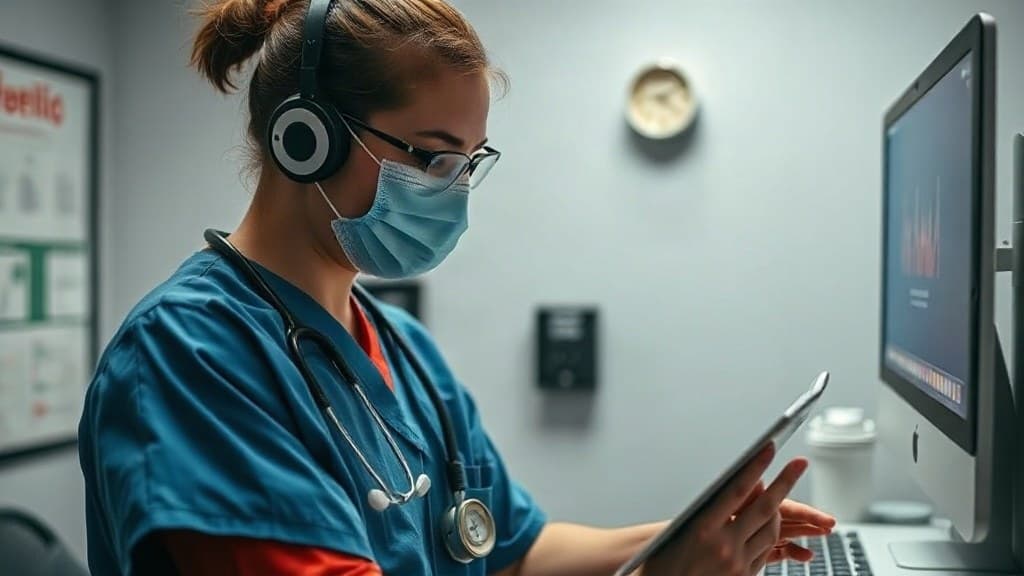
Overview of the Patient Care Technician Program
The Patient Care Technician (PCT) program is a multi‑skill training pathway that integrates patient care, phlebotomy, and electrocardiogram (EKG) techniques. Delivered through live Zoom sessions, the curriculum allows participants to attend from any location with internet access. Scheduling options include morning, evening, and weekend sessions, and a hybrid model combines self‑paced theory with on‑site clinical lab days for those who prefer in‑person practice. Completion typically requires four to five months, depending on the selected schedule and individual pace.
Core Clinical Skills and Training Modules
Patient Care Component
- Conduct comprehensive patient assessments and accurate documentation.
- Provide safe mobility assistance and transfer techniques.
- Perform basic wound care, dressing changes, and infection control measures.
- Administer medication and monitor vital signs.
- Offer clear communication and bedside manner to diverse patient populations.
Phlebotomy Component
- Study vascular anatomy and physiological functions.
- Apply sterile technique, select appropriate sites, and use tourniquets.
- Collect blood specimens from adults, children, and elderly patients.
- Label, transport, and store specimens according to protocol.
- Observe safety procedures and deliver post‑procedure care.
EKG Component
- Review cardiac anatomy and physiological processes.
- Position electrodes correctly and configure lead systems.
- Record, analyze, and interpret basic cardiac rhythms.
- Identify normal and abnormal rhythm patterns.
- Follow documentation standards for ECG results.
Each module blends theoretical instruction with supervised practice, preparing graduates to perform tasks confidently in clinical environments.
Program Duration and Schedule Flexibility
Typical Timeline
The program generally takes four to five months to complete, with completion speed influenced by class frequency and individual study pace.
Class Options
Morning sessions are scheduled around 9:00 AM–12:00 PM local time. Evening sessions run from approximately 6:00 PM–9:00 PM local time. Weekend intensives are offered on Saturday and/or Sunday, 10:00 AM–3:30 PM. A hybrid pathway combines self‑paced online theory with on‑campus clinical lab days, potentially shortening overall duration. Clinical labs are typically held Wednesday through Saturday, with full‑day or half‑day options to accommodate varied schedules.
Certification Preparation and National Credentials
The curriculum aligns with the content outlines of several nationally recognized certification examinations, enabling graduates to sit for multiple credentialing exams, including Certified Patient Care Technician (CPCT/CPCTS), Certified Phlebotomy Technician (CPT), Electrocardiogram Technician (CET), Certified Clinical Medical Assistant Technician (CCMAT), Certified Cardiac Rehabilitation Assistant Technician (CCRAT), and Basic Blood Processing Certification (BBPC). Testing may occur on‑campus or via approved online proctoring services where available. Completion awards a Certificate of Achievement, documenting combined competencies in patient care, phlebotomy, and EKG, and serves as a credential for entry‑level healthcare positions and as a foundation for further allied‑health education.
Career Opportunities and Advancement
Graduates qualify for entry‑level roles such as Patient Care Technician, Phlebotomy Specialist, EKG Technician, Clinical Medical Assistant, and related support positions across hospitals, long‑term care facilities, rehabilitation centers, outpatient clinics, laboratories, and hospice or community health settings. Career support services often include résumé development, interview coaching, and job placement assistance, leveraging the multi‑skill credential to accelerate professional advancement and provide a stepping stone toward additional certifications in nursing, medical assisting, or specialized clinical areas.
Frequently Asked Questions
What career paths can a graduate of a patient care technician program pursue?
Typical roles include Patient Care Technician, Phlebotomy Specialist, EKG Technician, Clinical Medical Assistant, and similar support positions in hospitals, clinics, long‑term care facilities, rehabilitation centers, laboratories, and community health programs. The broad skill set also opens pathways to further education in nursing or medical assisting.
How long does it typically take to complete a patient care technician program delivered via Zoom?
Most students finish the combined curriculum within four to five months. Flexible scheduling—morning, evening, or weekend classes—allows working adults and students to adjust the pace, while a hybrid option that includes on‑site clinical days can reduce the overall time required.
Which national certification exams does the program prepare students for?
The program aligns with exam content for CPCT/CPCTS, CPT, CET, CCMAT, CCRAT, and BBPC, among other recognized certifications, providing eligibility for multiple credentialing exams across the United States.
How can prospective students evaluate the quality of different patient care technician programs?
Prospective learners should assess curriculum breadth (patient care, phlebotomy, EKG), delivery format (live instructor‑led versus self‑paced), availability of hands‑on clinical labs, alignment with national certification outlines, and the strength of career support services such as resume assistance and job placement guidance. Accreditation status and any third‑party endorsements can also indicate program credibility.