How to Become a Patient Care Technician with Phlebotomy and EKG Training in New Jersey
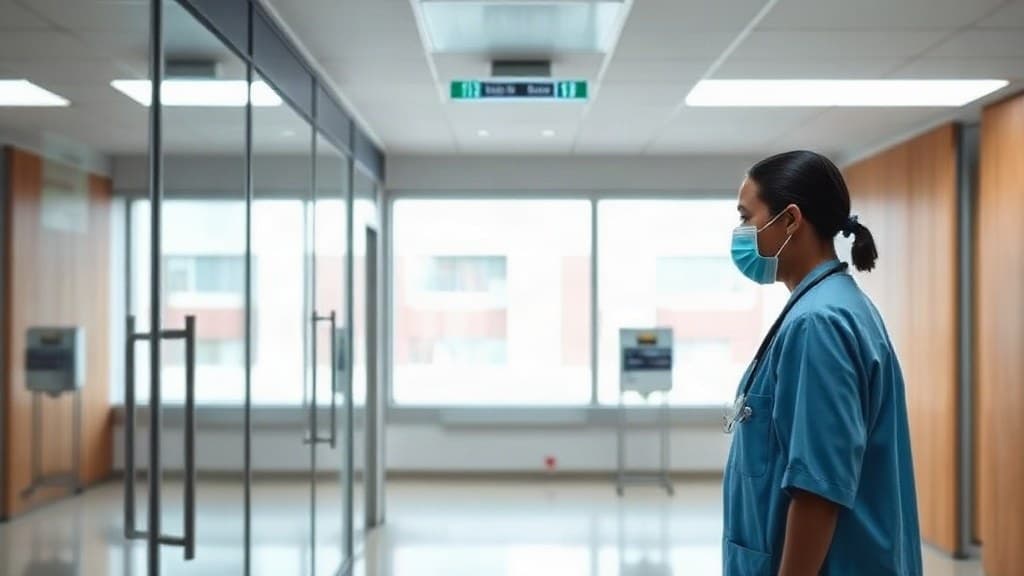
How to Become a Patient Care Technician with Phlebotomy and EKG Training in New Jersey
New Jersey's healthcare landscape is expanding rapidly, increasing the need for entry‑level support professionals who can perform a range of clinical tasks. A combined Patient Care Technician (PCT), phlebotomy, and EKG training pathway provides an efficient route to develop versatile skills without pursuing a multi‑year degree.
What Is a Multi‑Skilled Patient Care Technician?
A multi‑skilled Patient Care Technician operates across several essential support areas in hospitals, outpatient clinics, and long‑term care facilities. Rather than focusing on a single task, these technicians integrate direct patient care with blood collection and basic cardiac monitoring.
Typical responsibilities include assisting with patient mobility and transfers, recording vital signs, performing basic wound care, drawing blood for laboratory testing, properly handling and labeling specimens, placing EKG leads, and supporting cardiac monitoring. This breadth of capability makes graduates adaptable to different departments and shift patterns, which is valuable in New Jersey's mix of acute care hospitals, outpatient clinics, long‑term care facilities, and diagnostic laboratories.
Employers often seek support staff who can move between roles, and a combined training background helps new technicians qualify for a wider range of entry‑level positions while they accumulate experience.
Core Skills Acquired in a Combined Program
A combined PCT, phlebotomy, and EKG curriculum is designed to build practical competence across three primary domains:
- Patient Care: Taking vital signs, assisting with mobility and transfers, applying infection control and sterile techniques, and performing routine wound care under supervision.
- Phlebotomy: Performing blood collection procedures, preparing patients for venipuncture, ensuring safety, and handling, labeling, and storing specimens according to laboratory standards.
- EKG and Cardiac Monitoring: Correctly placing leads, recognizing basic rhythms, and supporting cardiac monitoring activities in hospital and clinic settings.
Instruction typically begins with foundational patient care concepts, then layers in blood collection and cardiac monitoring skills. Hands‑on clinical lab practice is a standard component, allowing students to rehearse procedures on mannequins and simulation equipment before interacting with patients under supervision.
Flexible Learning Formats
Many programs deliver instruction through live, instructor‑led virtual classrooms using platforms such as Zoom. This format enables students to attend morning, evening, or weekend sessions that align with work and family commitments.
Live virtual classes maintain interactivity with real‑time questioning, demonstrations, and group discussions. Learners can clarify procedures such as needle disposal, EKG lead placement, or patient communication while the instructor demonstrates techniques on camera.
Because phlebotomy and EKG skills require physical practice, programs usually pair online theory with scheduled on‑campus clinical labs. These labs provide supervised opportunities to practice blood draws, lead placement, and patient handling using appropriate equipment before entering actual clinical environments.
The hybrid approach balances flexibility for working adults with the hands‑on training essential for healthcare support roles.
Program Duration and Pace
Most combined PCT, phlebotomy, and EKG programs are structured to be completed in approximately four to five months. The exact timeline can vary based on the schedule selected and the pace at which a student progresses.
Programs offering morning, evening, and weekend virtual classes accommodate diverse lifestyles. Students seeking a faster completion may finish coursework and clinical requirements sooner, while those balancing employment or family responsibilities may spread the same content over additional weeks.
Hybrid formats that combine self‑paced theory with scheduled campus clinicals can sometimes allow quicker completion, as learners advance through online material on their own schedule and concentrate clinical time on skill practice.
Throughout the program, students work toward satisfying both academic coursework and the required hands‑on clinical hours that prepare them for entry‑level roles and national certification examinations.
National Certification Preparation
Graduates of combined PCT, phlebotomy, and EKG programs are typically prepared to sit for multiple national certification exams. Common credentials these programs align with include:
- CPCT/CPCTS (Certified Patient Care Technician / Certified Patient Care Technician Specialist)
- CPT (Certified Phlebotomy Technician)
- CET (Certified EKG Technician)
- Related credentials such as CCMTT, CCRAT, and BBPC, depending on the specific training focus.
These certifications are nationally recognized and can support employment across many states, including New Jersey. Holding multiple credentials increases the variety of roles a new graduate may qualify for, such as patient care technician, phlebotomy technician, EKG technician, or combined support positions in hospitals, clinics, long‑term care facilities, and diagnostic laboratories.
It is important to note that certification eligibility requirements, including any required practical experience or supervised hours, differ among credentialing organizations. Prospective candidates should verify current exam criteria directly with the organization they intend to pursue.
Evaluating a Multi‑Skilled Healthcare Program
When comparing programs, several factors merit consideration:
- Clinical Practice Access: Confirm that the program includes supervised, hands‑on lab time for phlebotomy and EKG practice, not solely online instruction.
- Scheduling Flexibility: Look for offerings of morning, evening, and weekend virtual sessions to match individual work and life circumstances.
- Instructor Credentials: Verify that instructors possess relevant healthcare and teaching experience in patient care, phlebotomy, and cardiac monitoring.
- Certification Preparation: Ensure the curriculum prepares students for the national exams they plan to take, and clarify whether exam fees are included in tuition.
- Career Support: Programs that provide resume assistance and job placement guidance can aid new graduates in navigating the job market.
- Accreditation and Industry Alignment: While not always mandatory, selecting a program that adheres to industry standards helps ensure training meets employer expectations.
Students should also inquire about payment plan options, required documentation for enrollment, and whether a high school diploma or GED is required to begin. Direct conversation with admissions staff can help clarify any remaining questions before committing to a program.
Frequently Asked Questions
What does a multi‑skilled Patient Care Technician do in clinical settings?
A multi‑skilled Patient Care Technician assists with patient mobility and transfers, records vital signs, performs basic wound care, draws blood for laboratory testing, handles and labels specimens, and supports basic EKG and cardiac monitoring activities. This range of duties enables movement between departments in hospitals, clinics, and long‑term care facilities.
How long does it typically take to complete combined PCT, phlebotomy, and EKG training?
Most combined programs are designed to be finished in about four to five months. The timeline can vary based on the schedule selected (morning, evening, or weekend classes) and the speed at which a student completes coursework and clinical requirements.
Which national certifications should a training program prepare me for, and why do they matter?
Programs typically prepare students for certifications such as CPCT/CPCTS, CPT, and CET. These nationally recognized credentials can help graduates qualify for a broader array of entry‑level positions across healthcare settings. Certification requirements vary by organization, so students should confirm current exam criteria directly with the credentialing body.
How does live virtual instruction work for hands‑on clinical skills like phlebotomy and EKG?
Live virtual classes cover theory, safety protocols, and procedural demonstrations in real time, allowing students to ask questions during instruction. Physical skills such as blood draws and EKG lead placement are practiced during supervised on‑campus clinical lab sessions, where students work with equipment and simulation tools before entering clinical environments.
What should prospective students look for when comparing multi‑skilled healthcare programs?
Key considerations include access to supervised hands‑on clinical labs, flexible scheduling options, qualified instructors, alignment with national certification exams, career support services, and clear information about costs and payment plans. Confirming these details upfront helps students select a program that matches their learning style and career goals.
Choosing a combined Patient Care Technician, phlebotomy, and EKG training program in New Jersey can be a practical first step toward a healthcare career. By focusing on programs that offer both live instruction and hands‑on clinical practice, students can build the versatile skills that New Jersey employers value while preparing for nationally recognized certification exams.